What Is a Credit Reference? Full Guide for Renters
What Is a Credit Reference?
A credit reference is proof that you consistently pay your bills or rent on time. It usually comes from a previous lender, landlord, or service provider who can verify that you met your financial obligations without issues.
In simple terms, it’s a character-based record of financial reliability. For renters, it shows landlords they can count on you to pay monthly rent. For business owners, it reassures suppliers that invoices will be paid as agreed.
In 2025, credit references have become more valuable than ever. Even though positive rent reporting is now common, a personal or trade reference adds a human touch — real feedback from someone who knows your payment habits.
This guide explains everything: what a credit reference means, the different types, how to request one, and examples you can use. Whether you’re applying for an apartment or establishing supplier credit, understanding this tool opens financial doors.
What Does Credit Reference Mean? Simple Breakdown
A credit reference is a short written or verbal confirmation that verifies your payment history. It comes from someone you’ve had a financial relationship with — for example:
- A landlord might say, “Tenant paid $1,500 monthly rent on time for 12 months.”
- A bank might confirm, “Loan current. Never missed a payment.”
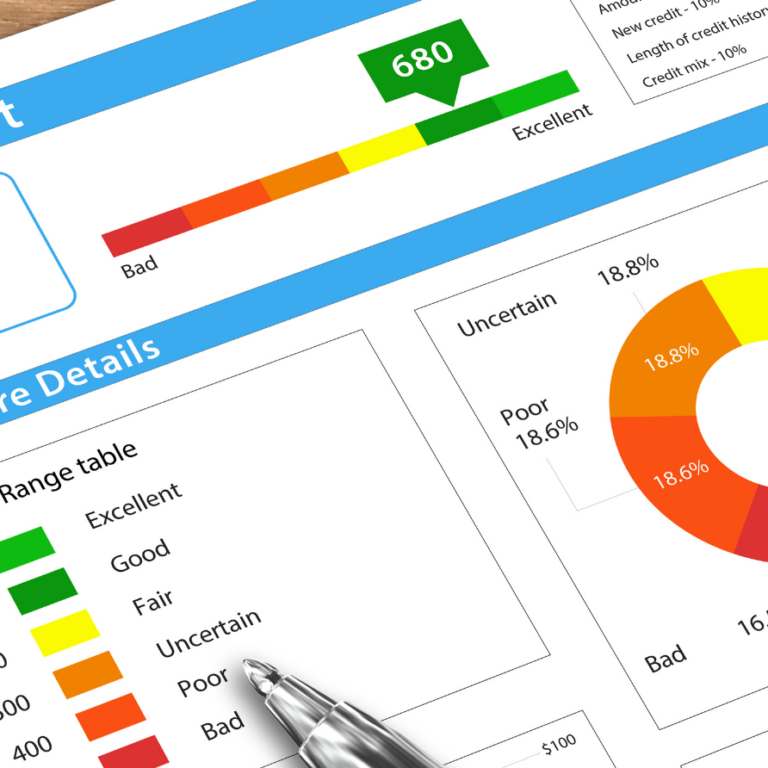
Unlike a full credit report, which shows your entire borrowing history and score, a credit reference focuses on one specific relationship. It’s concise, personal, and easy to understand.
Why is this important? Because it builds trust when your credit history is limited or you’re new to a country. In fact, as of 2025, nearly 60% of landlords and property managers ask for at least one credit reference with applications. Many businesses do the same when offering net-30 terms to new clients.
Requesting a reference is usually free — just email your past landlord, lender, or vendor and explain your need. Most people are happy to help if you were a good payer.
Credit Reference on a Rental Application: Why It’s Asked
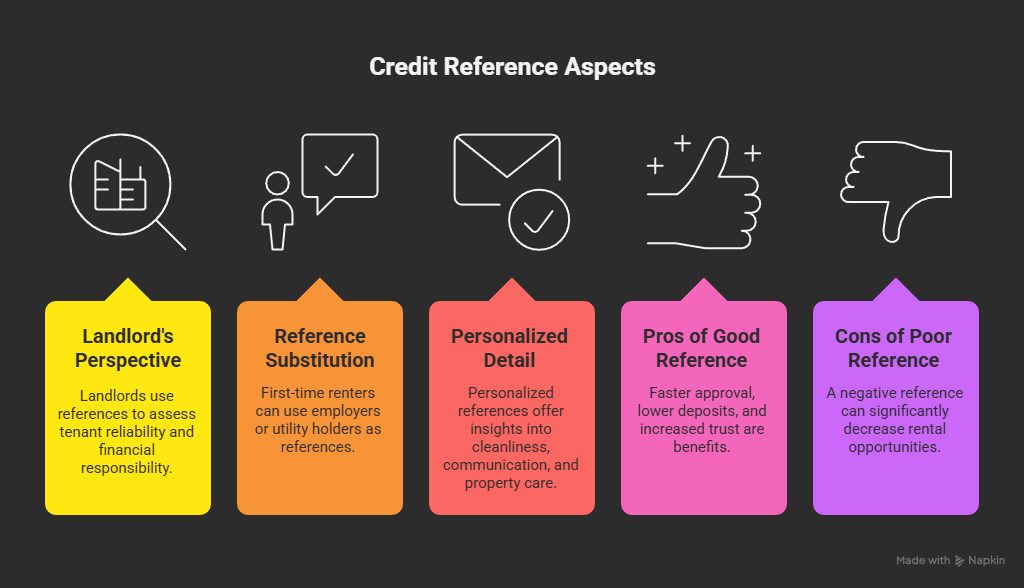
Landlords rely on credit references to gauge whether a potential tenant is trustworthy and financially responsible. A rental reference shows you’ve paid rent in full and on time, and that you took good care of your previous property.
Typically, landlords ask for one to three references from your most recent leases. If you’re a first-time renter, you can substitute an employer or utility account holder who can vouch for your reliability.
This is especially helpful for people with no credit score or thin credit files — a common issue affecting over 45 million adults in the U.S.
As of 2025, major rental platforms like Zillow and Apartments.com integrate rent references alongside automated rent reporting. However, a personalized reference gives extra detail, such as your cleanliness, communication, and how you treated the unit.
Pros: Faster approval, lower security deposits, and more trust.
Cons: A poor reference can hurt your chances.
Always ask politely and offer a pre-written template to make it easy for your former landlord to respond.
Sample Credit Reference Letter for Rental Application
Here’s a simple template you can customize when requesting a reference from a previous landlord:
[Their Address]
[City, State, ZIP]
Re: Credit Reference for [Your Name] – Rental Application
Dear [Landlord’s Name],
I rented from you between [start date] and [end date] at [property address]. I paid [rent amount] each month and was never late. The unit remained in good condition with no major issues.
I’m currently applying for a new rental, and your reference would be greatly appreciated. Could you please confirm that I paid rent on time and was a responsible tenant?
Thank you for your time and help. You can reach me at [phone] if you have any questions.
[Your Name]
Tip: Keep a signed copy of this letter for your records. Sending via email is fine — include a PDF when requested.
Most landlords respond quickly, and a short, positive statement like “Paid on time, would rent again” is enough to strengthen your application.
What Is a Trade Reference on a Credit Application? (Business Focus)
A trade reference is similar but used for businesses. It’s a statement from a supplier or vendor confirming that your company pays its invoices on time.
For example:
“ABC Hardware has paid all invoices within 30 days since opening the account in 2023. Reliable and recommended.”
Trade references are essential when applying for new credit lines or supplier accounts, especially if your business is young or lacks a commercial credit score.
Credit bureaus like Dun & Bradstreet (D&B) use these references to calculate your PAYDEX score, which influences how much credit suppliers are willing to extend.
As of 2025, more vendors share references digitally, but written letters are still valuable for new partnerships or verification.
How to Get Trade References for Business Credit
- Pay invoices on time – ideally before the due date.
- Keep good relationships with suppliers and vendors.
- After three months of consistent payments, request a reference using a short professional email:
[Company Name]
[Address]
Re: Trade Reference Request for [Business Name]
Dear [Contact Name],
We’ve been doing business since [start date] and have paid all invoices, totaling approximately [amount], on time.
We’re applying for business credit and would greatly appreciate it if you could provide a brief reference confirming our payment history and reliability.
Thank you for your continued partnership. Please reach me at [number] for any questions.
[Your Name]
Tip: Keep a copy for your records. You can send this as a PDF via email or include it with your credit application.
Collect at least three strong trade references, report them to Dun & Bradstreet, and your business credit score will strengthen over time.
Personal Credit Reference: When and How to Use One
A personal credit reference comes from someone who knows you well — like a colleague, mentor, or long-time friend — and can vouch for your reliability, even if you’ve never borrowed money from them.
For example:
“I’ve known Sarah for five years. She borrowed $300 once and paid it back immediately. Always responsible and dependable.”
This type of reference can be useful for first-time renters, students, or immigrants who have little or no credit history.
However, it carries less weight than a formal landlord or trade reference. Use it as a backup if no other proof is available. In 2025, these are rare but still helpful for alternative credit evaluations.
Credit Reference Letter: How to Write or Request One
A credit reference letter should be short, formal, and factual — usually one page. Include:
- The name and relationship of the reference provider
- The dates of the relationship
- The amount paid or owed
- A statement confirming timely payments
- A closing recommendation
You can request it via email. A polite and concise message increases the chance of a positive response. Digital PDF versions are perfectly acceptable today.
Credit Reference Requirements: What Landlords and Lenders Want
Landlords typically want:
- 2–3 references from the past year
- Verified contact information
- Proof of on-time payments and property care
Lenders or vendors usually require:
- 3 recent trade references
- Payment history for invoices over $500
- Details from the last six months
By 2025, rent reporting data is often accepted as one reference, but adding personal letters provides additional credibility and context.
Credit Reference vs. Credit Report: Key Differences
| Feature | Credit Reference | Credit Report |
|---|---|---|
| Scope | One relationship | All credit accounts |
| Format | Letter or contact | Bureau-generated report |
| Focus | Payment behavior | Scores and credit history |
| Use Case | Rentals, business terms | Loans, mortgages, cards |
| Strength | Personal, specific | Official, numeric |
Use both together: your credit report shows your score, and your reference gives the human side of your financial responsibility.
How to Build Credit References If You Have None
Starting from zero? Here’s how to create a foundation of references:
- Pay utility bills and ask for a letter confirming your payment record.
- Rent a room or short-term unit and request a tenant statement from your host.
- Use rent reporting services like Axcessrent, Boom or Esusu — they count as references too.
- Maintain records from gig work or online platforms that show consistent payments.
In 6–12 months, you can gather 2–3 solid references that make a difference in future applications.
Common Mistakes with Credit References and How to Avoid Them
Avoid these common pitfalls:
- Using outdated references: Stick to the last 12 months.
- Missing contact info: Always include phone and email.
- Vague letters: Add exact dates and payment amounts.
- Choosing poor sources: Avoid anyone who might give mixed feedback.
- Skipping follow-up: Confirm references were received before your application deadline.
- No proofreading: Spelling errors can look unprofessional.
A clear, positive, and verified reference is your best tool for credibility.
Conclusion
A credit reference is more than a letter — it’s a trust signal. Whether you’re applying for an apartment or business credit, it shows consistency, reliability, and responsibility.
Get them from landlords, lenders, or suppliers who know your history. Combine references with rent reporting and strong payment habits for maximum impact.
In 2025, with credit scoring evolving fast, every piece of verifiable history helps. Start asking for your references today — because your financial story matters.