Secured Debt: The Complete Guide to Collateral, Risks, and Financial Strategy
In the world of personal finance, debt is generally divided into two camps: secured and unsecured. Understanding the nuances of secured debt is critical because the stakes are inherently higher. When you take out a secured loan, you aren’t just promising to pay the money back; you are legally pledging an asset as a guarantee.
This guide explores the definition of secured debt, how it compares to unsecured options, and the strategic implications of using collateral to consolidate debt or navigate bankruptcy.
What is Secured Debt?
At its core, secured debt is a financial obligation backed by an asset, known as collateral. When a lender provides a secured loan, they place a “lien” on the property or asset you’ve pledged. This lien gives the lender the legal right to seize and sell the asset if you fail to meet the terms of the repayment agreement.
Because the lender has a safety net (the asset), secured debt is often viewed as “lower risk” from the bank’s perspective. For the borrower, however, the risk is tangible: default doesn’t just result in a credit score drop; it results in the loss of property.
Common Secured Debt Examples
Most people interact with secured debt daily, often without realizing the legal mechanics behind their ownership. Here are the most prevalent examples:
1. Mortgages
A mortgage is the most common form of secured debt. The house itself serves as the collateral. If you stop making payments, the lender initiates a legal process called foreclosure, allowing them to take possession of the home to recoup their losses.
2. Auto Loans
When you finance a vehicle, the car is the collateral. Unlike houses, cars are mobile and depreciate quickly, which is why lenders are often swift to act. If you miss a specific number of payments, the lender can trigger a car repossession, often without prior notice or a court order.
3. Secured Personal Loans
These loans are often used by individuals looking to build or rebuild credit after missed payments. The collateral is usually a savings account, a Certificate of Deposit (CD), or even a piece of jewelry or a boat.
4. HELOCs and Home Equity Loans
A Home Equity Line of Credit (HELOC) allows you to borrow against the value of your home. While it can be a powerful tool, it’s a high-stakes move because your primary residence is on the line. Some people consider whether they can use a HELOC to pay off student loans, which essentially converts unsecured debt into secured debt.
Secured Debt vs. Unsecured Debt: Key Differences
Choosing between a secured and unsecured loan depends on your credit profile and the purpose of the funds. Here is how they differ across four critical categories:
1. Risk Profile
- Secured: The lender has the right to take the asset. The consequence of default is immediate loss of property.
- Unsecured: There is no collateral. If you default, the lender’s primary recourse is to sue you in court or sell the debt to a collection agency. Explore how lenders evaluate risk for more on this.
2. Interest Rates
Because secured loans are backed by assets, they almost always carry lower interest rates than unsecured loans. A mortgage might have a 6% interest rate, while an unsecured credit card could easily exceed 20%.
3. Approval Requirements
Secured debt is often easier to obtain for those with poor credit. If you have a 500 credit score but $10,000 in a savings account to pledge as collateral, a bank is much more likely to approve a first-time auto loan or a secured credit card.
4. Typical Interest Structures
Secured loans often involve variable interest rates, especially with HELOCs or certain car loans, which can fluctuate based on market conditions.
What is a Secured Debt Consolidation Loan?
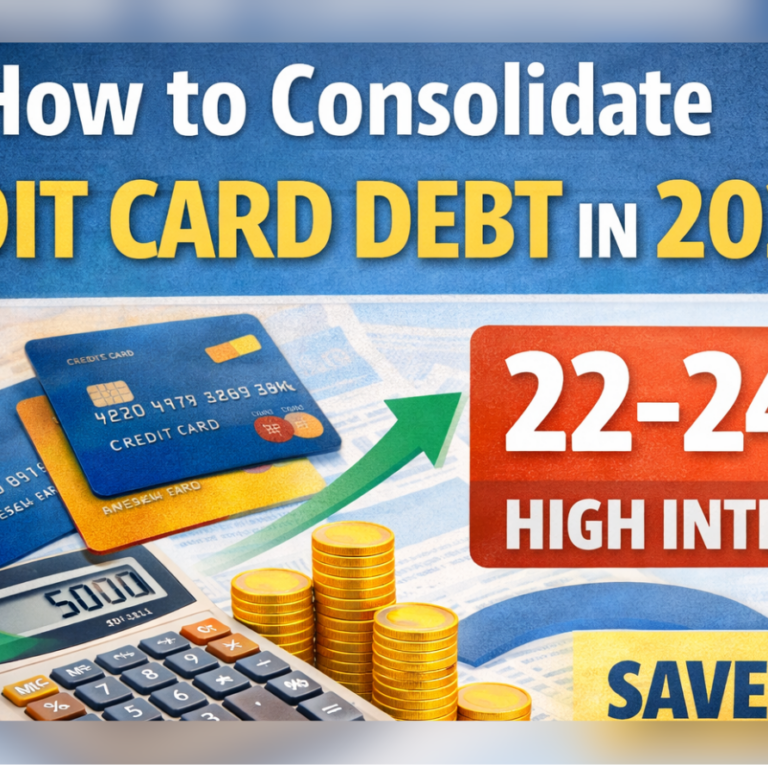
A secured debt consolidation loan involves taking out a new loan backed by an asset (usually a home) to pay off multiple high-interest unsecured debts, such as credit cards or medical bills.
The Pros:
- Lower Monthly Payments: By securing the debt, you often get a much lower interest rate, reducing your monthly outflow.
- Simplified Finances: One payment replaces many, making it easier to track your cash flow.
- Potential Tax Benefits: In some cases, interest on home-based secured loans may be tax-deductible (consult a tax professional).
The Cons:
- The Collateral Trap: You are moving debt from “safe” sources (where they can’t take your house) to a “risky” source (where they can).
- Fees: These loans often come with appraisal fees, origination fees, and closing costs.
- Temptation: If you don’t fix the spending habits that caused the original debt, you may end up with a maxed-out home equity loan and new credit card balances.
How Secured Debt is Handled in Bankruptcy
When filing for bankruptcy, secured debt is treated very differently than unsecured debt. While unsecured debts like medical bills are often wiped out, secured debts require a specific choice.
In Chapter 7 Bankruptcy
You generally have three options for your secured assets:
- Reaffirmation: You sign a new agreement to keep paying the loan under the original terms. You keep the asset, but you remain legally liable for the debt.
- Redemption: You pay the lender the current fair market value of the asset in one lump sum. If you owe $10,000 on a car worth $5,000, you pay $5,000 and own it clear.
- Surrender: You give the asset back to the lender. Any remaining balance (deficiency) is usually discharged, meaning you owe nothing more.
In Chapter 13 Bankruptcy
Chapter 13 allows you to “cure” defaults. If you are behind on your mortgage, you can roll the missed payments into a 3-to-5-year repayment plan, allowing you to keep your home while catching up. For more details on the legal side, see the official US Courts guide on bankruptcy.
Strategic Management of Secured Loans
To manage secured debt effectively, you must understand the math behind loan approvals and amortization.
- Prioritize Payments: Secured debt should almost always be paid before unsecured debt. Losing your credit card is an inconvenience; losing your car or home is a catastrophe.
- Monitor Equity: For homes and cars, keep an eye on your loan-to-value ratio. Being “underwater” (owing more than the asset is worth) makes secured debt even riskier.
- Read the Fine Print on Liens: Ensure you know exactly what constitutes a default. Some contracts allow for repossession after just one missed payment.
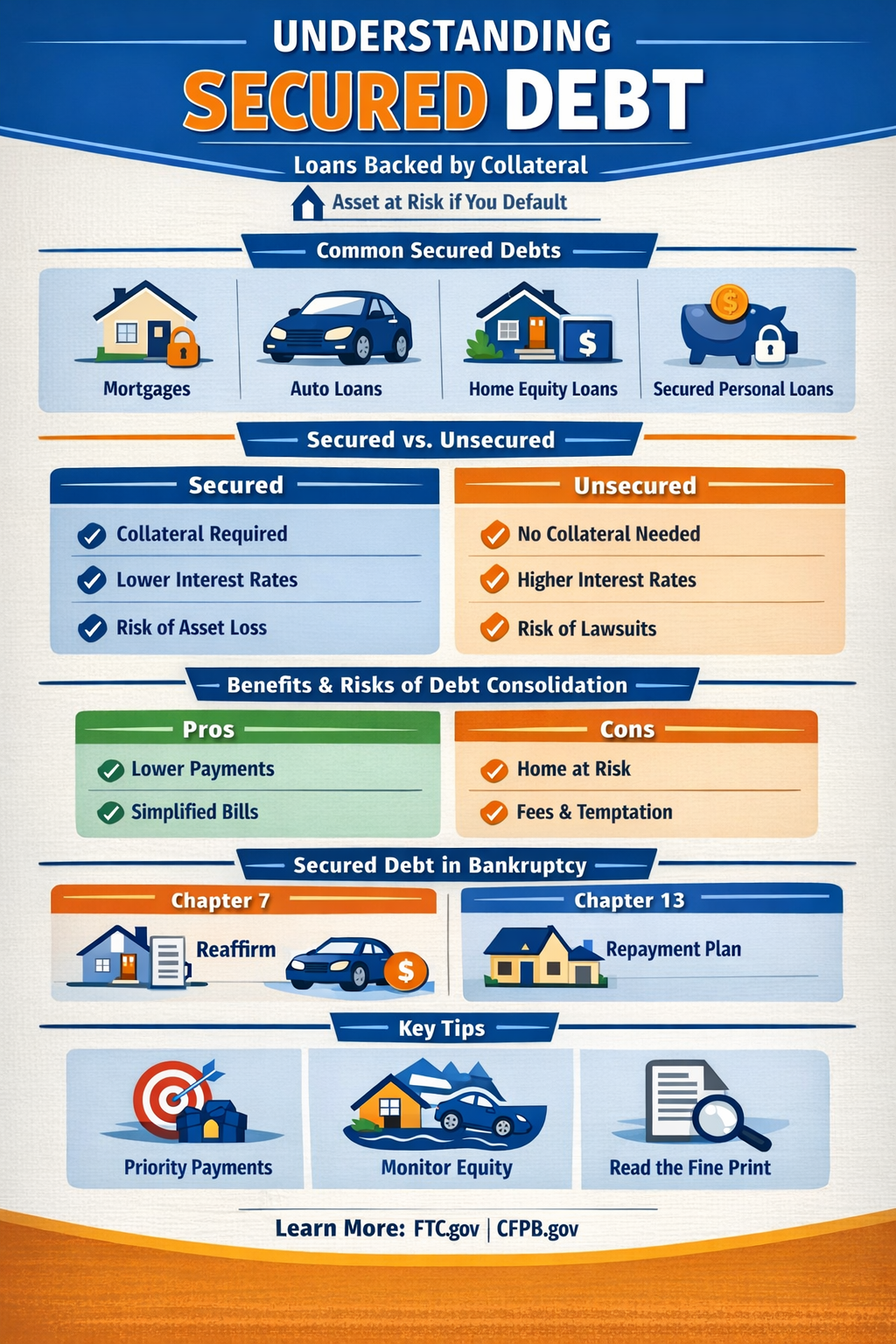
Summary: Why Secured Debt Matters
Secured debt is a double-edged sword. It is the primary vehicle that allows most families to afford high-value items like homes and reliable transportation. However, because it is tied to your physical world, it requires a higher level of respect and budgeting discipline than unsecured debt.
Conclusion Whether you are considering a mortgage or a secured credit card to build your score, always weigh the benefit of the lower interest rate against the risk of losing the underlying asset. For further reading on consumer protection regarding debt, visit the Federal Trade Commission (FTC) or the Consumer Financial Protection Bureau (CFPB).
Frequently Asked Questions (FAQ)
1. Is a credit card considered secured or unsecured debt?
Most credit cards are unsecured debt. However, “secured credit cards” exist specifically for those building credit; these require a cash deposit that serves as collateral in case the cardholder fails to pay.
2. Can a lender take my house if I miss a credit card payment?
Generally, no. Since credit cards are typically unsecured, the lender does not have a lien on your home. However, if they sue you and win a court judgment, they could potentially place a judgment lien on your property in some jurisdictions.
3. What happens to secured debt in a Chapter 7 bankruptcy?
While the personal obligation to pay the debt can be discharged (wiped out), the lien on the collateral remains. If you want to keep the asset (like your car), you must continue making payments or enter a reaffirmation agreement.
4. Why are interest rates lower on secured debt?
Lenders offer lower rates because the presence of collateral reduces their financial risk. If the borrower defaults, the lender can sell the asset to recover the loan amount, making it a safer investment for the bank.
5. Can unsecured debt become secured debt?
Yes. This often happens through debt consolidation, where you take out a home equity loan (secured) to pay off credit card balances (unsecured). It can also happen involuntarily if a creditor wins a lawsuit and places a lien on your property.
6. Is student loan debt secured or unsecured?
Federal and most private student loans are unsecured, meaning there is no physical collateral. However, they are unique because they are very difficult to discharge in bankruptcy and the government has special powers to garnish wages without a court order.
7. How many payments can I miss before repossession?
For auto loans, repossession laws vary by state, but many contracts allow a lender to repossess a vehicle after just one missed payment. For mortgages, the foreclosure process usually begins after 90 to 120 days of delinquency.
8. Does a secured loan help build credit faster than an unsecured loan?
Both build credit similarly by reporting on-time payments to credit bureaus. However, secured loans are often more accessible for those with low scores, making them a primary tool for initiating the credit-building process.