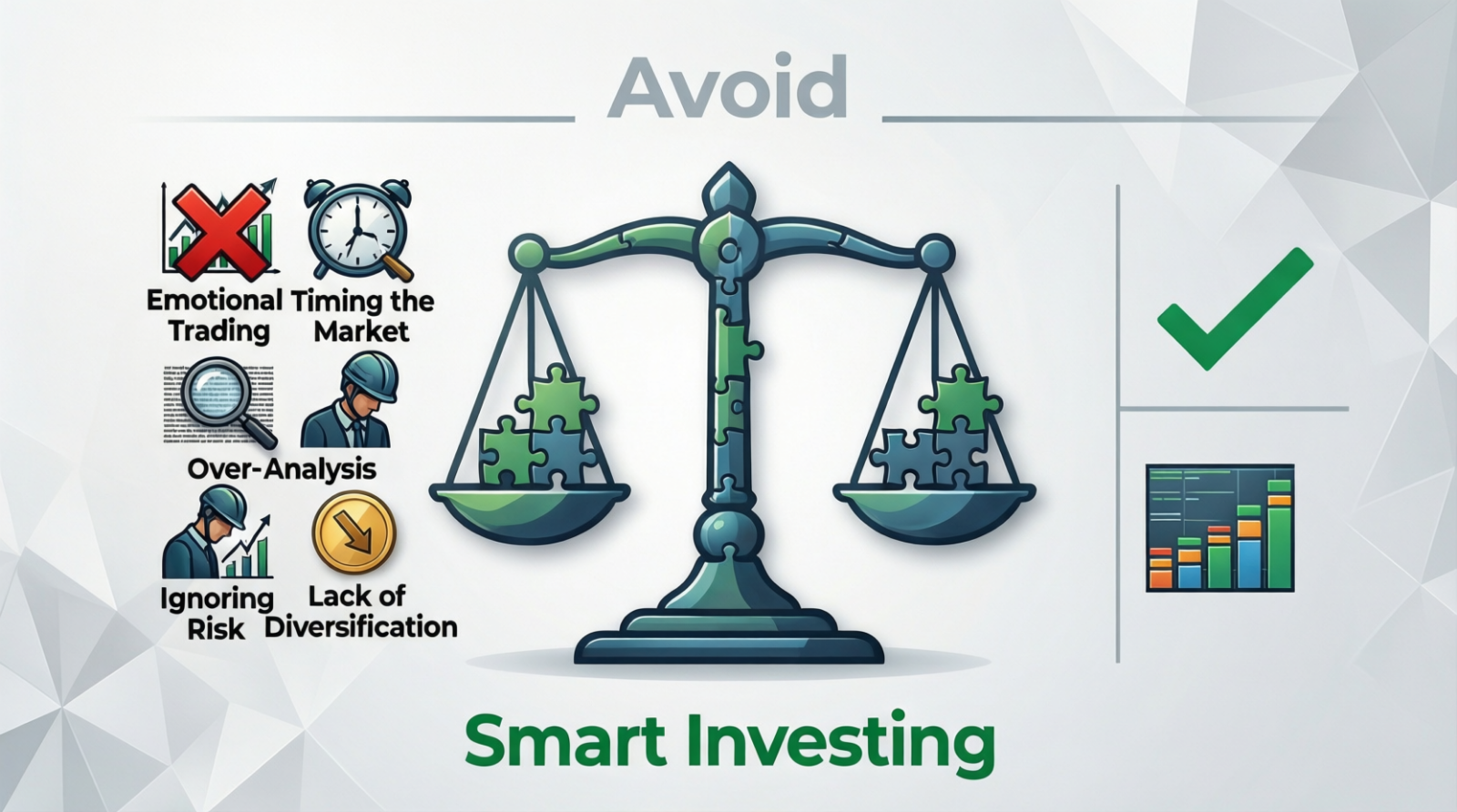
What are common investing mistakes to avoid?
In the world of finance, winning isn’t about being the smartest person in the room; it’s about being the person who makes the fewest catastrophic mistakes. Whether you are a beginner in the United States looking to open your first Roth IRA, a seasoned real estate pro, or a Web3 founder navigating the volatility of digital assets, the “money traps” remain remarkably similar.
This guide deconstructs the common investing mistakes that separate the wealthy from the “almost-wealthy,” using real-world case studies from legends like Warren Buffett and Shaquille O’Neal.
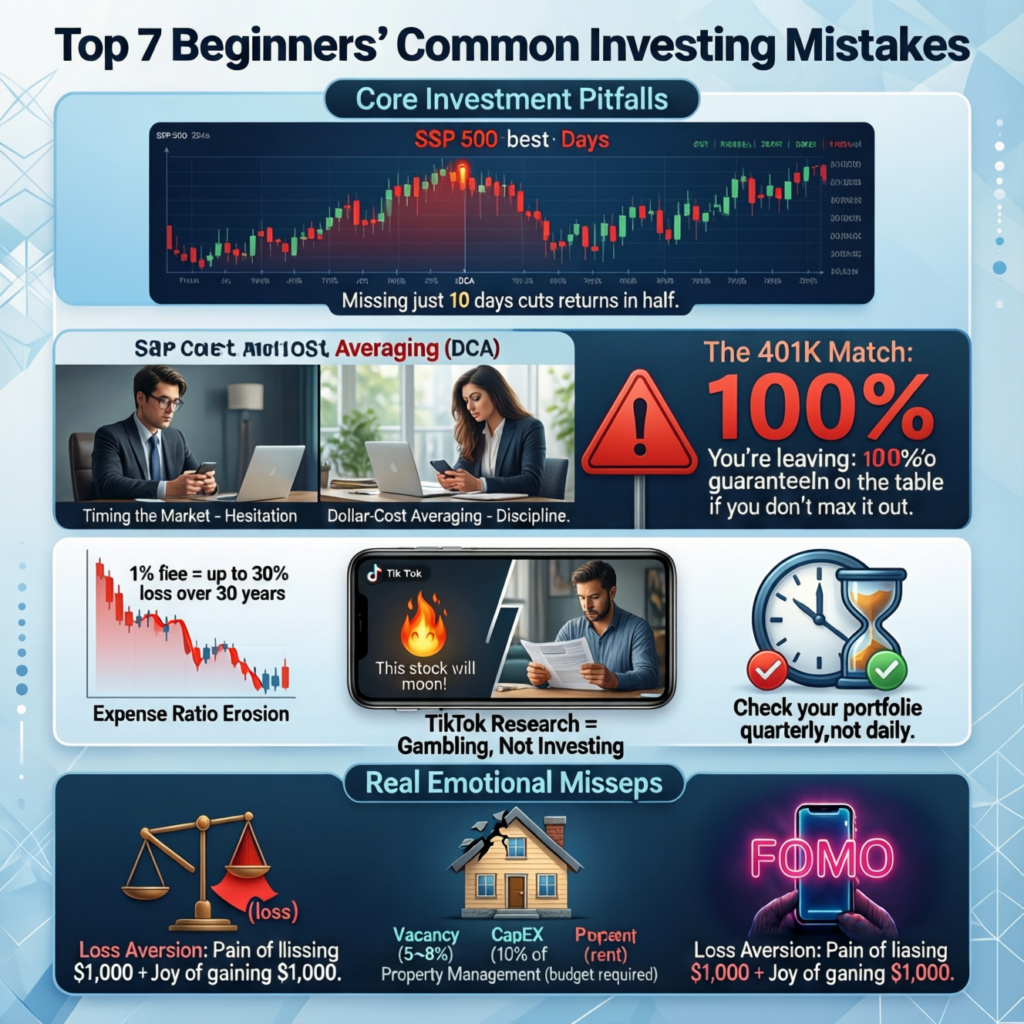
1. Top 7 Beginners Common Investing Mistakes
For those just starting, the first two years are the most dangerous. This is when your habits are formed. If you can avoid these seven pitfalls, you are already ahead of 90% of retail investors.
I. The Cost of Hesitation (Timing the Market)
The most common mistake beginners make is waiting for the “perfect” moment to enter the market. They wait for a dip, or they wait for the election to pass, or they wait for interest rates to drop. In the USA, historical data shows that “time in the market” beats “timing the market” every single time. If you missed the 10 best days of the S&P 500 over the last 20 years, your returns would be cut in half.
This is why disciplined investors rely on Dollar-Cost Averaging (DCA) instead of predictions.
II. The “Match” Malpractice
In the United States, if your employer offers a 401k match and you don’t contribute enough to get the full amount, you are effectively taking a pay cut. This is a 100% guaranteed return on investment—something you will never find in the stock market or real estate. Ignoring the match is the single biggest “free money” trap in the American retirement system.
(If you’re new to this, start with how a 401k actually works.)
III. The Expense Ratio Erosion
Beginners often ignore the “small” fees. A 1% management fee or expense ratio sounds negligible. However, due to the way compound interest works, a 1% fee can eat up to 30% of your total portfolio value over a 30-year career. A human-written financial plan always prioritizes low-cost index funds (like VTI or VOO) over “actively managed” funds that rarely beat the market. Understanding long-term investing basics matters more than picking “hot” funds.
IV. The “TikTok” Research Method
If you are getting your stock tips from a 30-second viral video, you aren’t investing; you’re gambling. Social media thrives on hype, but wealth is built on boring, fundamental analysis. By the time a “moon shot” reaches your social feed, the institutional investors have already squeezed the value out of it. This mistake is especially common among beginners who skip foundational money skills like zero-based budgeting and jump straight into speculation.
V. Lifestyle Creep and the Emergency Fund
Investing money that you might need for next month’s rent is a recipe for disaster. This leads to “forced selling”—selling your assets at a loss because you had a car breakdown or a medical emergency. A robust emergency fund (3–6 months of expenses) is the foundation of any investment strategy.A car repair or medical bill can push you into selling assets at the worst possible time. That’s why a solid emergency fund—3 to 6 months of expenses—is non-negotiable.
VI. Over-Diversification vs. Under-Diversification
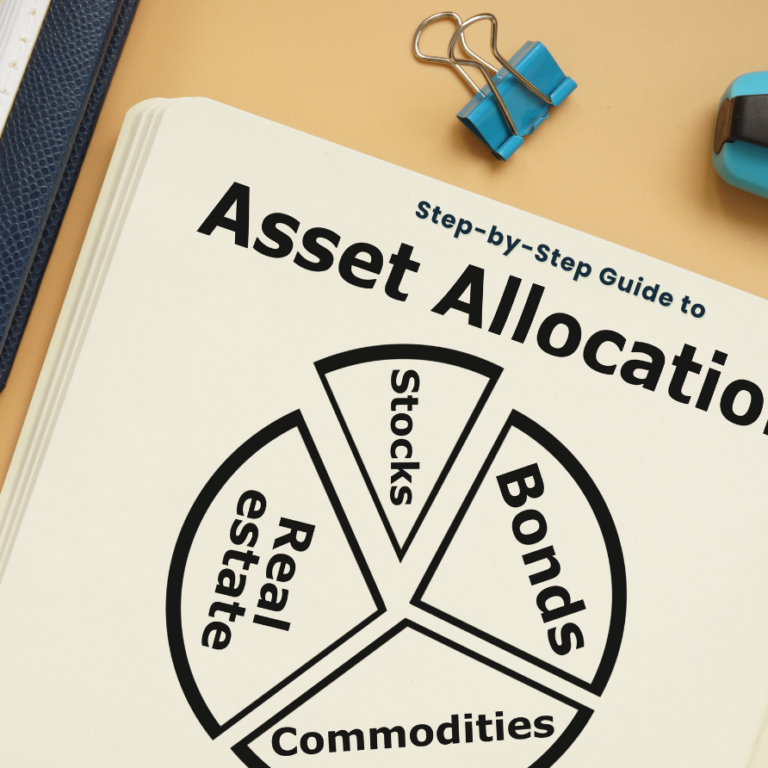
Putting all your money into your employer’s stock is dangerous (just ask the employees of Enron). Conversely, buying 50 different individual stocks as a beginner makes it impossible to track your performance. The “sweet spot” for most is a total market index fund.
VII. Checking the “Scoreboard” Daily
The stock market is the only place where people run out of the store when things go on sale. Checking your balance daily triggers the emotional centers of the brain, leading to impulsive decisions. Successful investors check their accounts quarterly, not hourly.
2. Emotional Investing: The Silent Wealth Killer
Your brain was evolved for the Savannah, not for the Nasdaq. Emotional investing mistakes are hard-wired into our DNA.
- Loss Aversion: The pain of losing $1,000 is twice as intense as the joy of gaining $1,000. This causes investors to hold onto “losers” for too long, hoping they’ll “break even,” while selling “winners” too early to lock in small gains.
- FOMO (Fear of Missing Out): This is the “greed” phase of the cycle. When you see your neighbor making money on a speculative meme coin, your brain bypasses logic. You buy at the peak, right before the “smart money” exits.
- Recency Bias: We tend to believe that the immediate past is a prologue to the future. If the market has been up for three years, we assume it will never go down. This leads to taking on too much risk at the exact moment the market is “frothy.”
3. Real Estate Investing: Beginner Traps and Strategy
Real estate is a favorite for American investors because of the tax advantages (like the 1031 exchange), but it is fraught with “hidden” mistakes.
The “DIY” Disaster
Many beginners think they can save money by doing all the repairs themselves. Unless you are a professional contractor, your time is better spent finding the next deal. The “sweat equity” myth often turns a profitable investment into a low-paying part-time job.
Underestimating the “Holding Costs”
A common mistake in real estate is calculating profit based solely on the mortgage vs. the rent. You must account for the “Big Three”:
- Vacancy: Your property will sit empty at some point. Plan for 5-8% vacancy.
- Capital Expenditures (CapEx): The roof, the HVAC, and the water heater will break. If you aren’t setting aside 10% of rent for these, you aren’t profitable.
- Property Management: Even if you manage it yourself now, you should budget for a manager so the investment remains “passive” later.
4. Case Studies: Shaq and Warren Buffett
Learning from others’ mistakes is significantly cheaper than making your own.
Shaq’s “One Million Dollar Day”
Early in his career, Shaquille O’Neal famously spent $1 million in a single day after signing his first deal. He bought three Mercedes-Benz cars and jewelry without realizing that a huge chunk of that million belonged to the IRS. The Lesson: Shaq’s eventual success came from a “Human-First” approach: he started investing in things he used and understood (like Five Guys, Krispy Kreme, and early-stage Google). He moved from “spending” to “owning assets” that generated cash flow.
Warren Buffett’s “Money Traps”
Even the greatest investor of all time has “sins of omission.” Buffett famously missed out on Amazon and Google because he didn’t understand their “moats” at the time. However, his biggest warning for retail investors is Margin Debt. Buffett has seen many smart people go broke because they borrowed money to buy stocks. In his words: “If you’re smart, you don’t need it; and if you’re dumb, you shouldn’t use it.” He also warns against the “shiny object” trap—investing in complex derivatives when a simple productive business (like a farm or a candy company) is a better bet. You can read his long-standing principles via Berkshire Hathaway shareholder letters.
5. Web3 and Tech Founder Mistakes
Founders in the digital asset space face a unique set of financial nightmares.
- The “Paper Millionaire” Trap: Many Web3 founders have a high net worth on paper but zero liquidity. They fail to diversify out of their own token, leaving them vulnerable to a single “black swan” event.
- Regulatory Blindness: In the USA, the SEC and IRS are increasingly active in the crypto space. A common mistake for founders is failing to set aside massive tax reserves for token grants or airdrops, leading to a “tax cliff” they can’t climb.
- Security Apathy: Storing significant assets on “hot” wallets or centralized exchanges. For high-net-worth individuals, the lack of a multi-sig or cold storage strategy is a multi-million dollar mistake waiting to happen.
6. Common mistakes while Retirement Planning
As you get within 10 years of retirement (the “Red Zone”), the stakes get higher.
Sequence of Returns Risk
If the market drops 20% in the year you retire, it is much more damaging than if it drops 20% when you are 30. Beginners often fail to “glide” their portfolio toward more stable assets like bonds or Treasury bills as they age, leaving their retirement date at the mercy of market volatility.
The Inflation Illusion
Many retirees move all their money into “safe” cash or savings accounts. While this protects against market crashes, it loses to inflation. If your money isn’t growing at least at the rate of CPI, you are technically getting poorer every year you are retired.
Longevity Risk
The biggest mistake in modern retirement planning is underestimating how long you will live. With medical advancements, planning for a 20-year retirement is no longer enough; you must plan for 30 or even 40 years. This is why diversified tax strategies—including Roth IRAs and taxable accounts—matter more than ever.
Conclusion: The Path to Wealth is Boring
The most successful investors in the United States aren’t the ones looking for “ten-baggers” or “moon shots.” They are the ones who:
- Invest Consistently: Use Dollar Cost Averaging (DCA).
- Keep Costs Low: Prioritize index funds over expensive advisors.
- Stay Rational: They don’t let the headlines dictate their trades.
- Think Long-Term: They view “2 days” or “5 days” of market movement as noise, and “10 December” or “15 December” dates as just another day in a 30-year journey.
Avoid the “money traps,” stay diversified, and remember that in the game of wealth, the tortoise almost always beats the hare.
Frequently Asked Questions (FAQ)
1. What is the #1 mistake people make when they start investing?
The biggest mistake is analysis paralysis—waiting for the “perfect” market condition to start. Every month you wait is a month of lost compound interest. History shows that the specific entry price matters far less than the total number of years your money is invested.
2. How much should I actually have in my emergency fund?
While the standard advice is 3–6 months of expenses, this is a mistake for freelancers or those in volatile industries (like Web3). If your income is unpredictable, aim for 9–12 months. Never invest money you might need within the next two years.
3. Is it better to pay off debt or invest my extra cash?
Look at the interest rate. This is the “Benchmark Rule.” If your debt (like a credit card) has an interest rate of 15-20%, pay it off immediately; that is a guaranteed 20% return. If your debt is a 3% mortgage, you are likely better off investing in the market where historical returns average 7–10%.
4. Why shouldn’t I just pick the stocks that are currently doing well?
This is called chasing performance, and it’s a classic trap. Assets that have recently skyrocketed are often overvalued. By the time you buy in, the “smart money” is already rotating into the next undervalued sector. Stick to a broad index rather than yesterday’s winners.
5. Are financial advisors worth the 1% fee?
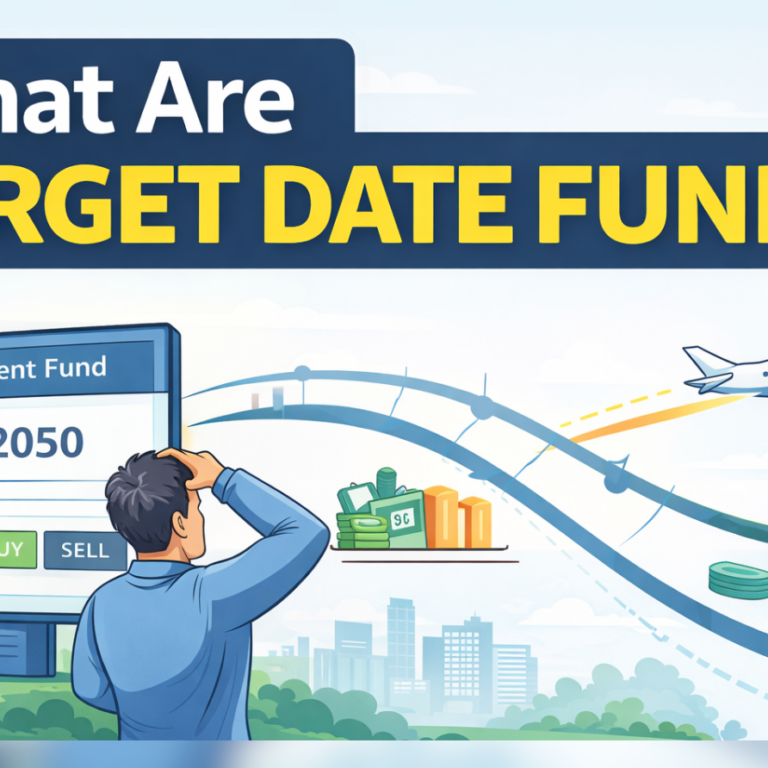
For a beginner with $10,000, probably not; a simple target-date fund is more efficient. However, for high-net-worth individuals or Web3 founders with complex tax needs, a flat-fee or fiduciary advisor can save you millions in tax mistakes, far outweighing their cost.
6. What is the biggest “hidden” cost of real estate investing?
It’s Capital Expenditures (CapEx). Most people forget that a roof lasts 20 years and an HVAC unit lasts 15. If you aren’t amortizing those costs and saving a portion of every rent check, you aren’t actually making a profit; you are just borrowing against the future value of your house.
7. How often should I rebalance my portfolio?
Doing it too often creates unnecessary tax liabilities and transaction fees. Most professionals recommend once a year or whenever an asset class shifts by more than 5% from your target allocation.
8. Can I retire if I only have money in a 401k?
Technically yes, but it’s a tax mistake. If all your money is in a traditional 401k, every dollar you withdraw is taxed as ordinary income. A diverse “tax bucket” strategy—including a Roth IRA (tax-free withdrawals) and a taxable brokerage account—gives you much more flexibility in retirement.