What are credit Traps and how to avoid them ?
Renting in 2025 feels like a minefield. Prices are up, listings vanish fast, and scammers lurk everywhere. Last year alone, the FTC reported over 70,000 rental scams, costing renters $400 million. That’s cash gone for deposits that never existed. If you’re hunting for an apartment, you can’t afford to fall into these traps. They hit your wallet and your credit score hard.
This guide cuts through the noise. We’ll break down the biggest credit traps renters face this year. You’ll learn how scams work, why they target you, and simple steps to dodge them. No fluff—just real advice to keep your money safe and your credit building. By the end, you’ll spot red flags from a mile away and know how to rent smart in 2025.
Whether you’re a first-time renter fresh out of college or a family switching cities, these tips apply. And if you’re wondering about related stuff—like “how to build credit as a renter without scams” or “what are the top rental frauds in 2025″—we’ve got that covered too. Let’s get into it.
Why Credit Traps Hit Renters Hardest in 2025
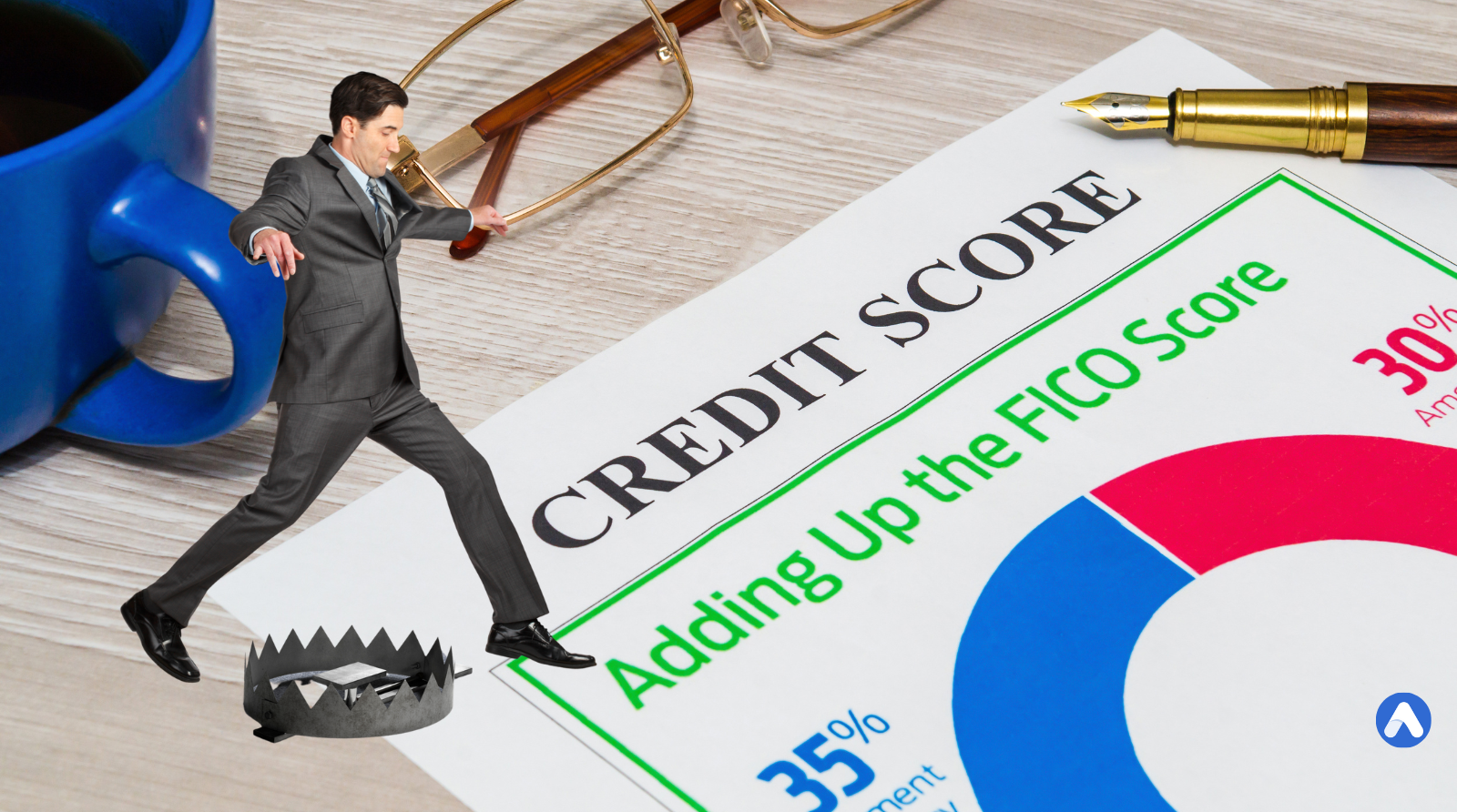
Renters live on the edge. You pay month to month, no equity to fall back on. One bad move, like a scam deposit, and your savings evaporate. Worse, it tanks your credit. In 2025, with interest rates hovering around 6% and evictions up 15% from last year (per Zillow data), a dinged score means higher deposits or outright denials.
Credit traps aren’t accidents. They’re designed to exploit your rush. You see a “too good to be true” deal—$1,200 for a two-bedroom in Seattle—and jump. Scammers know this. They use fake listings on Craigslist, Facebook Marketplace, and even legit sites like Zillow. By the time you wire money, they’re ghosts.
But it’s not just scams. Legit traps lurk too. Landlords demanding credit checks without consent. Apps that pull your score and share it wide. Or “rent-to-own” schemes that promise homeownership but lock you into bad loans. In 2025, AI tools make these traps slicker. Bots generate phony reviews; deepfakes pose as agents on video tours.
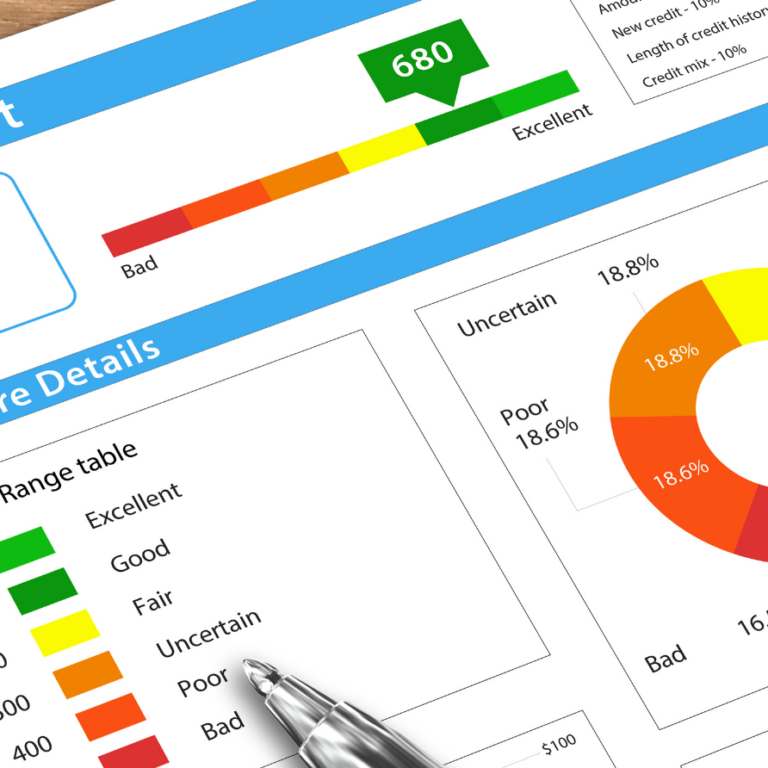
The fix? Knowledge. Understand your score first. Check it free at AnnualCreditReport.com weekly now—it’s unlimited under the new FCRA rules. Aim for 670+ to snag better deals. If yours is low, don’t panic. Renters can build credit fast without traps. More on that later.
Stats paint the picture: 40% of millennials rent forever, per Apartment List. That’s millions vulnerable. But armed with this guide, you’ll join the smart ones who rent safe.
Common Rental Scams: Spot Them Before They Bite
Scams evolve yearly. In 2025, they’re tech-heavy. Here’s the rundown on the worst ones targeting renters. Each costs real money—average loss is $1,800 per victim, says the BBB.
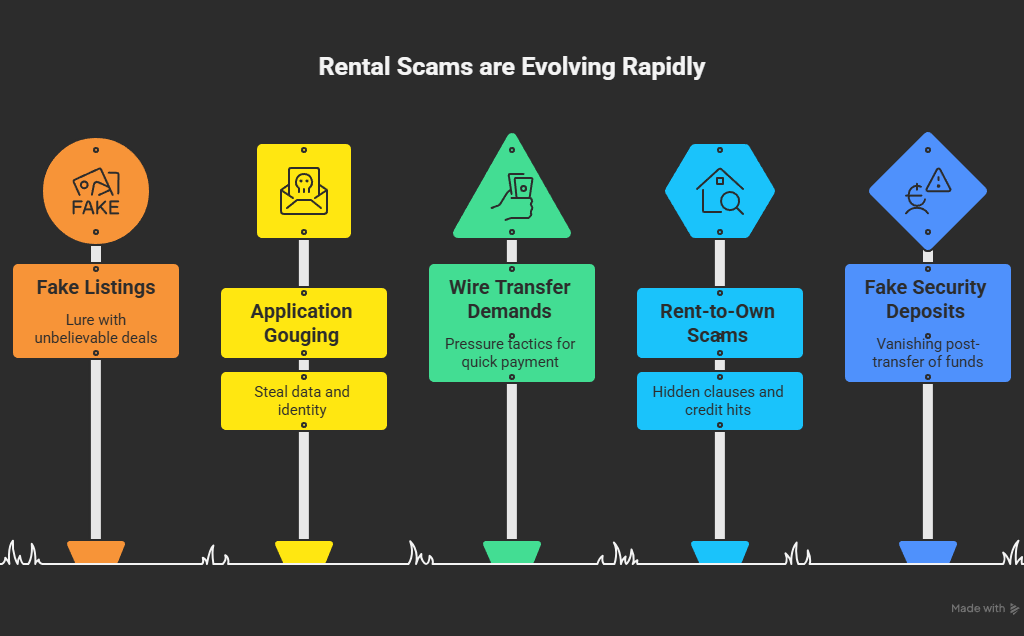
1. Fake Rental Listings: The Classic Bait
You scroll Zillow at midnight. A downtown loft for $900? Score. But click through, and it’s stolen photos from a legit site. Scammer messages: “It’s yours! Send deposit via Zelle.”
Why it works: Urgency. “First come, first served.” In hot markets like Austin or Denver, where vacancy rates dip below 5%, you bite.
Red flags:
- Price 20% below market. Use Rent.com’s calculator to check.
- No in-person tour. They claim “out of town” or push virtual only.
- Payment demands outside the platform. No checks or apps—ever.
Real story: Sarah in Chicago lost $2,000 last spring. Listing looked perfect on Apartments.com. Wire transfer later, poof—gone. She reported to FTC; got $500 back via bank reversal. Lesson: Always verify the address on Google Maps. Street view mismatches? Run.
In 2025, AI amps this up. Tools like Midjourney create hyper-real listings. Counter: Cross-check with city records. Most metros have free rental registries.
2. Application Fee Gouging and Identity Theft
Apps are standard now. But scammers charge $50–$100 fees for “background checks” that go nowhere. Worse, they snag your SSN and run wild—opening cards in your name.
2025 twist: Phishing emails mimic TransUnion. “Click to approve your app.” Boom, malware steals data.
Protect yourself:
- Use services like SmartMove (via MyRental)—fees under $40, results instant.
- Never share SSN upfront. Legit landlords wait till you’re shortlisted.
- Freeze your credit free at Equifax, Experian, TransUnion. Takes five minutes online.
Case in point: Jamal in Miami applied via a Facebook ad. Fee paid, then $5,000 in fraudulent charges hit his card. He disputed, but credit took six months to fix. Now he uses only verified sites.
Related query: “Are rental application fees tax deductible in 2025?” No, but track them for moving expense claims if job-related.
3. Wire Transfer and Gift Card Demands
Old-school but deadly. “Secure the unit with Western Union.” Or “Buy iTunes cards for keys.” Laughable, but it hooks desperate folks.
FTC banned this for legit rentals in 2024, but scammers ignore laws. In 2025, crypto adds flair— “Send Bitcoin for earnest money.”
Dodge it:
- Insist on checks or ACH. Platforms like Avail handle this free.
- If pressured, hang up. Real landlords give time.
- Report to IC3.gov immediately. Recovery odds jump 30% with quick action.
Victim alert: In Portland, a family sent $3,500 via MoneyGram for a “sublet.” House was vacant; owner clueless. They clawed back half through consumer protection.
4. Rent-to-Own and Lease Hacking Scams
Tempted by “own your home in five years”? These contracts hide balloon payments and credit-killing clauses. In 2025, with home prices up 8%, they surge.
Trap: Low monthly rent, but “option fee” eats your deposit if you bail. Credit hit if you default.
Vet it:
- Read full terms. Use Nolo’s lease guide.
- Get a lawyer—$200 well spent.
- Check seller’s title via county clerk.
Example: Lisa in Atlanta signed one, missed a payment, score dropped 100 points. Evicted, blacklisted locally.
5. Fake Security Deposits and Move-In Fees
“Pay now or lose it.” But no receipt, no lease. In 2025, apps like Venmo make it easy—scammers vanish post-transfer.
Fight back:
- Demand written agreements.
- Use escrow services for big sums.
- State laws cap deposits (e.g., one month’s rent in California).
One renter in NYC lost $4,000 this way. Key? She paid cash—untraceable. Always digital trails.
These scams tie to credit because defaults or fraud show as delinquencies. Your score suffers, locking you out of future rentals. Next, how to build it right.
Building Credit as a Renter: Safe Strategies for 2025
Low score? No biggie. Renters build credit without owners or loans. In 2025, tools make it easier. Goal: Add positive history monthly.
Start with Basics: Secured Cards and Reporting
Get a secured credit card. Deposit $200, get $200 limit. Use for Netflix, pay on time. Capital One or Discover report to bureaus.
Pro tip: Experian Boost adds utility payments to your file. Free, bumps score 13 points average.
For renters: Services like RentTrack report payments for $10/month. Covers 2025’s rising utilities—average $250/month now.
Use Rent as Your Ally
Many landlords check credit. Pay on time? It helps indirectly. But for direct boost, join programs like Esusu. They report to all three bureaus.
2025 update: Fannie Mae requires positive rent history for mortgages. Build now for future buys.
Example: Maria in Dallas started with a $300 secured card. Paid rent via LevelCredit. Score from 580 to 720 in 18 months. Landed a better unit.
Avoid Debt Traps in Utilities and Add-Ons
Bundle internet? Fine, but watch late fees. They hit credit if unpaid. Set autopay.
Related: “Can late rent hurt my credit in 2025?” Only if landlord reports—rare, but possible under new HUD rules.
Credit-Builder Loans: Low-Risk Option
Self lender: $25/month into savings, builds as loan payment. No interest. Perfect for renters.
Kikoff offers $750 lines, reports positive. Start small.
Stats: 25 million Americans unbanked or underbanked. These tools fix that without traps.
Track progress quarterly. Apps like Credit Karma alert changes.
How to avoid rental scams ?
Don’t just read—act. Here’s your checklist.
- Search Smart: Use Zillow, Apartments.com, Redfin. Avoid Craigslist solos. Query: “Verified rentals [city] 2025.”
- Verify Landlord: Google name + “scam.” Call from official site, not ad number.
- Tour In-Person: Virtual okay once, but feet on ground seals it. Bring a buddy.
- Payments Only Legit Ways: Check, app escrow, or platform hold. No wires, no crypto.
- Review Everything: Lease? Run by tenant.org. Fees? Cap at law limits.
- Protect Data: VPN for searches. Password manager for apps.
- If Suspicious: Pause. Search “[listing address] scam.” Report to BBB.
In 2025, use AI your way. Tools like Google’s rental finder flag fakes via image reverse-search.
One more: “What if I get scammed?” File police report, dispute charges, sue small claims. States like New York offer restitution funds.
Your Legal Rights as a Renter in 2025
Laws tightened post-2024 shortages. Fair Housing Act bans discrimination on credit history alone—use it.
Eviction moratoriums gone, but notice periods up to 14 days in most states.
Resources:
- HUD.gov for complaints.
- NCLC.org for free legal aid.
- Consumer.ftc.gov/rentals toolkit.
If credit-hit by scam, dispute with bureaus. 609 letter demands proof—illegal negatives vanish.
Trends to Watch: Renting Smarter in 2025
Eco-rentals rise—solar apartments cut bills 20%. But scams mimic them: “Green lease” fees for fake audits.
Co-living booms in tech hubs. WeWork-style, but vet operators. Credit unions partner for shared builds.
Remote work shifts: Suburbs cheaper, but transport scams up. Fake moving quotes steal cards.
Proptech apps like Hemlane automate—great, but enable two-factor everything.
Forecast: By Q4, blockchain verifies listings. Early adopters in Miami test it. Stay ahead.
Conclusion
Renting in 2025 is a challenge, but you’re ready. Spot scams by verifying listings with city records and Google Maps. Pay securely with checks or apps like Avail—never wire money or use gift cards. Build credit with rent reporting tools like Axcessrent or secured cards from Discover. Freeze your credit to stop identity theft. If something feels off, pause and report to the FTC or BBB. Know your rights—use HUD or NCLC for support.
Stay sharp with trends like blockchain-verified rentals or eco-friendly leases. Monitor your credit weekly at AnnualCreditReport.com. Whether it’s a studio in Seattle or a home in Miami, rent with confidence. You’ll secure a place and strengthen your financial future. Share your wins or questions below. Here’s to thriving in 2025.
FAQs: Answering Your Top Rental and Credit Questions for 2025
We dug into searches like “rental scams near me 2025” and “build credit renting.” Here’s the scoop.
1. How common are rental scams in 2025?
Very. Up 20% from 2024, per FBI. Urban areas worst—NYC, LA top lists.
2. What’s the best way to build credit while renting?
Report rent payments via Esusu or Boost utilities. Add secured card. Consistent, small wins.
3. Can landlords charge application fees in 2025?
Yes, but capped. $25–50 most places. No fee for credit pull alone.
4. How do I know a rental listing is legit?
Owner contact via official channels. Street view match. Positive reviews on multiple sites.
5. What if a scammer has my SSN from an app?
Freeze credit now. File ID theft report at IdentityTheft.gov. Monitor weekly.
6. Are wire transfers ever okay for rent?
No. Illegal for security under CFPB rules. Use traceable methods.
7. How much does a scam deposit hurt my credit?
Indirectly. If unreported, not at all. But fraud can drop 100+ points if identity used.
8. Best apps for safe renting in 2025?
Zillow Rentals, RadPad for payments, LeaseLock for no-deposit options.
9. Can I sue a scammer landlord?
Yes, small claims easy. Gather emails, transfers. Win rates 60% with evidence.
10. What’s new in renter credit laws for 2025?
Expanded Boost to include streaming. No credit checks for Section 8.
11. How to avoid fake reviews on rental sites?
Sort by “most recent.” Cross-check Google. Real ones have photos.
12. Does pet rent affect my credit?
Only if unpaid. Negotiate inclusive leases.
13. Top cities for scam-free renting?
Minneapolis, Pittsburgh—strong tenant laws. Avoid wild west like Phoenix.
14. Free ways to check rental market rates?
Realtor.com, HUD fair market rents tool.
15. If evicted for credit reasons, what next?
Appeal via housing court. Build with alternatives like references.
These cover the big ones. Search volume on “avoid rental credit traps 2025” is spiking—use this to stay ahead.