What is an Emergency Fund? A Complete Guide to Financial Security
Life rarely goes exactly as planned. Cars break down, jobs are lost, medical bills appear out of nowhere, and unexpected expenses can shake your financial stability. Without a safety net, these moments often force people to borrow, swipe credit cards, or drain long-term savings.
That’s where an emergency fund comes in. It is your personal safety cushion — money that you set aside exclusively to handle sudden expenses or financial setbacks. Unlike regular savings, an emergency fund exists to protect you during life’s financial surprises.
In this ultimate guide, we will cover what an emergency fund is, why it’s important, where to keep it, how much you need, and how to build it step by step. We’ll also answer the most searched questions people ask online, so you get a complete picture of how to protect yourself financially.
What Is an Emergency Fund?
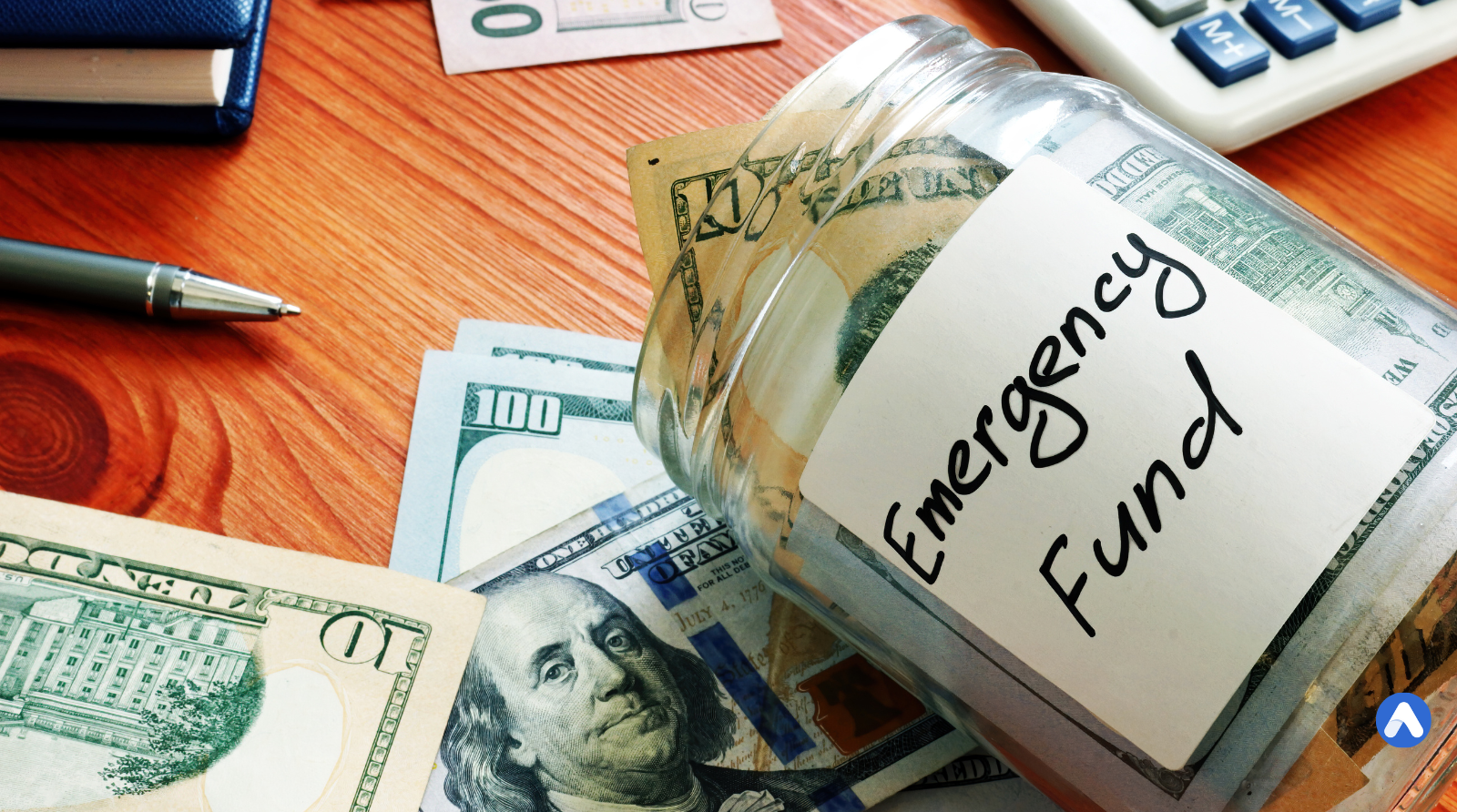
An emergency fund is a dedicated savings account set aside for unexpected expenses. It acts as your personal financial safety net, helping you cover urgent costs without relying on credit cards, high-interest loans, or borrowing from family and friends.It is not meant for vacations, holiday shopping, or luxury upgrades. Instead, it acts as a safety net for unexpected events such as:
- Unexpected travel
- Sudden job loss or reduced income
- Emergency medical bills
- Urgent car repairs
- Home repairs such as a broken furnace or leaking roof
- Family emergencies requiring immediate cash
Unlike regular savings, an emergency fund has a very specific purpose: to protect you when life takes an unexpected turn.
Think of it as insurance for your budget. You hope you never need to use it, but when life throws you a curveball, you’ll be glad it’s there.
Why is an Emergency Fund Important?
Financial experts emphasize building an emergency fund before focusing on investments, retirement, or debt repayment. Here’s why:
- Prevents Debt Spiral
Without emergency cash, people often rely on credit cards or loans, which can trap them in cycles of high-interest debt. - Reduces Stress and Anxiety
Knowing you have money set aside for emergencies brings peace of mind. You can focus on solving problems instead of panicking about finances. - Protects Your Long-Term Goals
Your retirement savings, investment accounts, or college funds remain untouched when you face a financial setback. - Builds Financial Resilience
Life is unpredictable. With a cushion, you gain flexibility and security to handle setbacks without derailing your entire financial plan.
How Much Should You Save in Your Emergency Fund?
Most financial advisors recommend saving 3 to 6 months of living expenses. This ensures you can cover essentials like rent, food, utilities, and insurance if your income stops.
- 3 months: Best for people with stable jobs and low expenses.
- 6 months: Ideal for freelancers, student, entrepreneurs, or those with unpredictable income.
- 12 months: Provides extra security, especially if you have dependents or a single source of income.
Most experts recommend saving 3 to 6 months’ worth of essential expenses. This includes:
- Rent or mortgage payments
- Utilities
- Food and groceries
- Insurance premiums
- Transportation costs
- Loan payments
For example:
- If your monthly essential expenses total $2,000, your emergency fund should ideally be between $6,000 and $12,000.
- If you have dependents, unstable income, or own a home, you may lean toward the higher end (6 months or more).
Why is it Recommended to Save 3–6 Months of Expenses?
Saving 3–6 months of living expenses provides a balance between preparedness and practicality.
- Three months: Offers a solid cushion for smaller emergencies like a car breakdown or short-term medical costs.
- Six months: Protects you in case of job loss, economic downturns, or long recovery periods.
This range ensures you are not over-saving (locking too much cash in low-yield accounts) or under-saving (leaving yourself exposed).
Where Should You Keep Your Emergency Fund?
This is another top-searched question: “The only place you should keep your emergency fund money is…”
The truth is, your emergency fund should be easily accessible, safe, and separate from your everyday spending money. Best options include:
- High-Yield Savings Account (HYSA)
- Safe, FDIC-insured, and earns higher interest than a regular savings account.
- Easy to access in emergencies.
- Money Market Account
- Offers check-writing privileges and higher interest than regular savings.
- Good balance of access and returns.
- Certificates of Deposit (CDs) with No Penalty
- Less liquid but can be an option if you want slightly higher interest rates while still having access.
Avoid risky places like stocks, crypto, or real estate. Your emergency fund is not for growth — it is for security.
Why Keep Your Emergency Fund in a Separate Account?
Keeping your emergency fund in a separate account prevents you from accidentally spending it. It creates a mental barrier between everyday money and your safety net.
When your emergency savings sit in the same account as regular spending money, it’s easy to dip into it for non-urgent wants. By separating it, you protect the fund’s true purpose — emergencies only.
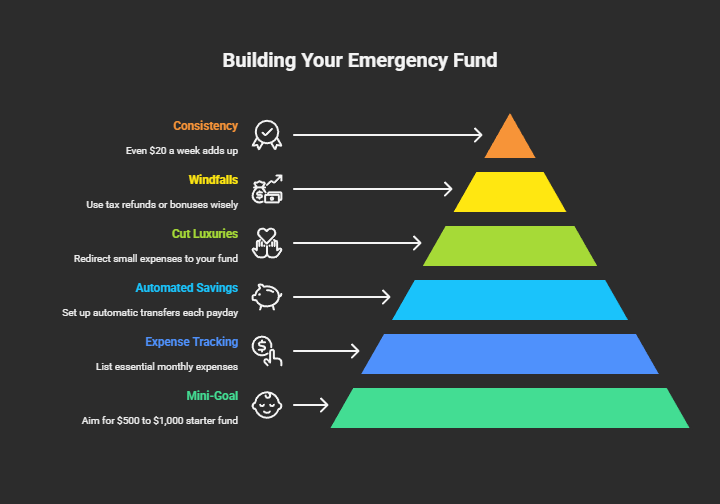
How to Build an Emergency Fund ?
If saving several months of expenses feels overwhelming, don’t worry. Start small and build steadily.
- Set a Mini-Goal First
Aim for $500 to $1,000 as a starter fund. This handles small emergencies like car repairs or medical bills. - Track Your Expenses
List essential monthly expenses so you know your savings target. - Automate Savings
Set up automatic transfers from your checking to savings account each payday. - Cut Back Small Luxuries
Redirect small expenses like eating out or unused subscriptions toward your fund. - Use Windfalls Wisely
Tax refunds, bonuses, or side-hustle income can give your fund a big boost. - Stay Consistent
Even $20 a week adds up over time.
When to Use Your Emergency Fund
This money is for true emergencies only. Before using it, ask yourself these three questions:
- Is this expense unexpected?
- Is it necessary right now?
- Is there no other safe option?
If the answer is “yes” to all three, it’s time to use your fund.
Examples of approved uses:
✔ Medical emergency
✔ Car transmission failure
✔ Job loss and rent coverage
How to Rebuild Your Emergency Fund After Using It
Spending from your emergency fund is expected — that’s why it exists. The key is to replenish it quickly.
- Reassess your budget and temporarily cut expenses.
- Direct extra income toward rebuilding the fund.
- Treat it like a bill until it’s back to full strength.
Conclusion
An emergency fund is more than just money set aside—it is a shield of financial security. It keeps you from falling into debt, allows you to handle unexpected expenses with confidence, and gives you peace of mind. Building one takes discipline, but the long-term benefits outweigh the short-term sacrifices.
Key takeaways:
- Save at least 3–6 months of essential expenses.
- Keep it in a separate, easily accessible account.
- Use it only for true emergencies.
- Replenish it after every withdrawal.
With a strong emergency fund, you stay prepared, stress-free, and financially secure. It acts as your personal safety net, protecting you when life throws unexpected challenges—like job loss, medical bills, or urgent home repairs. Instead of relying on high-interest credit cards or loans, you’ll have cash ready to cover what matters most. This not only safeguards your finances but also strengthens your confidence in handling the unknown. Think of it as buying yourself peace of mind—you can focus on moving forward instead of worrying about setbacks, knowing you’re ready for whatever comes your way.
Common FAQs About Emergency Funds
1. Can I invest my emergency fund?
No. Investments like stocks or crypto are volatile and can lose value right when you need cash. Keep it liquid and safe.
2. How fast should I build an emergency fund?
There’s no strict timeline. Aim to reach your starter fund of $1,000 within a few months, then grow steadily toward 3–6 months of expenses.
3. Do I need an emergency fund if I have a credit card?
Credit cards are not a substitute. They create debt with high interest. An emergency fund gives you debt-free options.
4. What happens if I can’t save much each month?
Start small. Even $10 a week builds momentum. The key is consistency.
5. Should I keep emergency savings at home in cash?
Keep a small amount of cash for immediate needs (like a power outage), but store most of it in a safe, insured account.
6. American Emergency Fund Reviews: Are They Reliable?
Many U.S.-based companies advertise emergency fund apps and savings programs. Reviews show mixed results. The best strategy remains self-managed accounts, where you control your money without high fees or restrictions.