How Much Can a Landlord Charge for Damages? Avoid Costly Mistakes
Being a landlord comes with many responsibilities, and one of the most frustrating parts is dealing with property damage after a tenant moves out. While some wear and tear is expected, excessive damage can result in costly repairs and extended vacancy time.
This is where understanding how a landlord charge for damages becomes crucial. Most landlords rely on security deposits to recover the cost of repairs — but not everything qualifies as damage. There are legal limits, fair practices, and specific documentation requirements that determine how much a landlord can charge and what qualifies as a legitimate deduction.
So, how much can a landlord charge for damages, and what’s considered fair, reasonable, and lawful? In this guide, we’ll break it all down — from the difference between wear and tear vs. damage, to how to calculate and document deductions properly, and what both landlords and tenants need to know about the legal process.
In this guide, we’ll explain everything landlords and tenants need to know about damage-related charges, from what constitutes damage to how much can be deducted from a security deposit and what laws apply in different states.
Understanding Damage vs. Normal Wear and Tear
Before determining how much a landlord can legally landlord charge for damages, it’s essential to first distinguish between normal wear and tear and actual property damage. This distinction is at the heart of every security deposit dispute—and understanding it can help both landlords and tenants avoid unnecessary conflict.
Normal wear and tear refers to the gradual deterioration of a property that naturally occurs as a result of everyday use. It’s unavoidable and expected, even with the most responsible tenants. These are minor cosmetic issues that arise over time—not due to abuse or neglect—and therefore cannot be charged to the tenant.
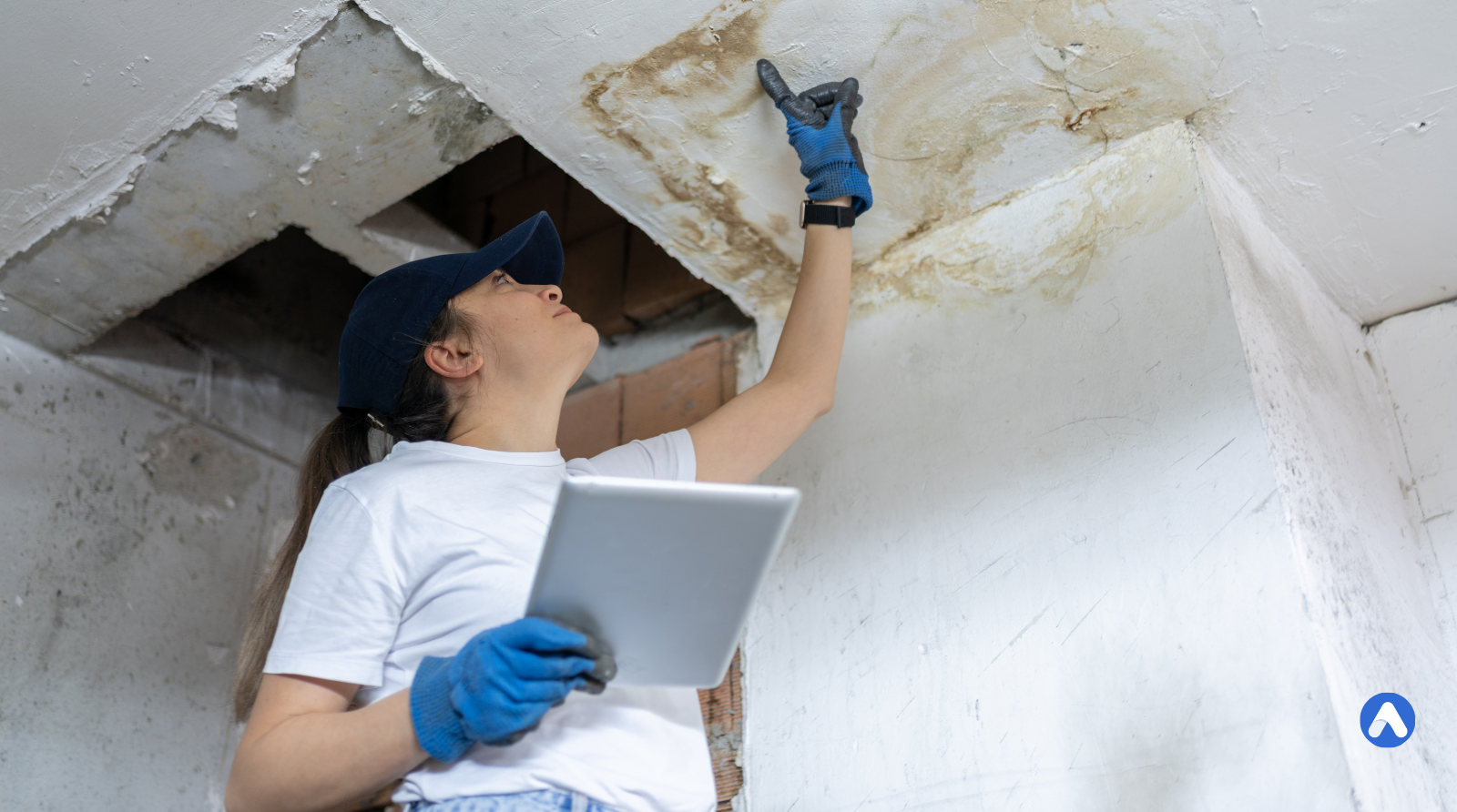
Property damage, on the other hand, goes beyond what would be considered typical usage. It often results from carelessness, accidents, or outright neglect. Damage can be costly to repair, reduce the value or livability of the unit, and may delay new tenant move-in. Because of its severity and preventability, landlords are allowed to deduct these repair costs from the tenant’s security deposit, provided the deductions are well-documented and comply with local laws.
Examples of Normal Wear and Tear (Not Chargeable):
- Minor scuff marks on walls from furniture or daily use
- Light carpet fading, especially in high-traffic areas
- Loose doorknobs or cabinet handles
- Faded or lightly peeling paint due to age
- Small nail or pin holes from hanging pictures
Examples of Property Damage (Chargeable):
- Large holes or gouges in walls or drywall
- Broken windows or cracked mirrors
- Carpet burns, deep stains, or pet damage
- Missing fixtures, broken appliances, or doors ripped from hinges
- Cracked or shattered tiles from dropped heavy objects
Key Rule to Remember:
Landlords cannot charge tenants for normal wear and tear. Only actual damage beyond standard use qualifies for deductions from a tenant’s security deposit.
Legal Limits: How Much Can a Landlord Charge for Damages?
Most U.S. states do not cap the amount a landlord can charge for tenant damage, as long as the charges are:
- Reasonable
- Well-documented
- Backed by receipts or estimates
However, the total deduction for damages cannot exceed the amount of the security deposit unless the tenant agrees to pay more, or the landlord files a lawsuit and wins.
For example, if a tenant leaves $1,000 in damage and the security deposit is $800, the landlord may return nothing and sue the tenant for the remaining $200.
Some state-specific laws worth noting:
- California: Landlords have 21 days to return a deposit or provide an itemized deduction list.
- Florida: Requires landlords to notify tenants within 30 days if any amount will be withheld.
- New York: Landlords must return security deposits within 14 days.
- Texas: Landlords have 30 days to return the deposit and explain deductions.
Always check your local and state rental laws for specific timelines and obligations.
Documentation Is Crucial
If you’re a landlord planning to deduct repair costs from a security deposit, you need strong documentation. Courts often side with tenants unless the landlord provides:
- A move-in inspection report
- A move-out inspection report
- Photos and videos of before/after conditions
- Receipts or contractor estimates for each deduction
If the damage is significant, landlords may also want to get two or three estimates from professionals to show that the costs are reasonable.
Sample Deduction List
Here are common damage types and what landlords often charge:
| Damage Type | Estimated Charge |
|---|---|
| Replace broken window | $150 – $300 |
| Repair large drywall hole | $100 – $200 |
| Clean stained carpet | $100 – $250 |
| Replace damaged door | $100 – $200 |
| Replace missing smoke alarm | $30 – $50 |
| Repaint heavily marked walls | $150 – $400 |
Note: These are average estimates and may vary based on location, labor, and material costs.
Can Landlords Include Standard Repair Costs in the Lease?
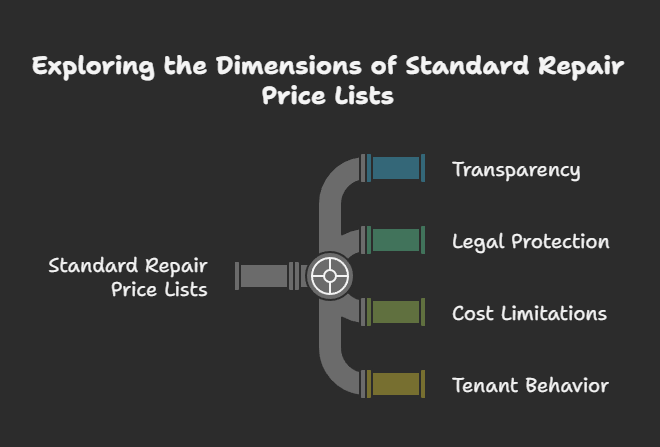
Some landlords choose to include a Standard Repair Price List as part of their lease agreements. This list outlines typical repair costs for various types of damages — such as replacing a broken window, rekeying locks, or repainting walls — so tenants are aware from the start what financial responsibilities they may face if they damage the property.
This approach can be helpful in creating transparency and managing expectations. It can also serve as legal protection for landlords if disputes arise after move-out. When a tenant signs the lease that includes a predefined repair list, it can be easier for the landlord to justify the deductions in court.
However, there are downsides. If the actual cost of the repair ends up being higher than what was listed in the lease, the landlord may be limited to charging the lower, listed amount — unless otherwise stated. Additionally, if the prices seem low or minimal, tenants may not take the rules seriously, potentially increasing the risk of carelessness or damage.
Like all lease clauses, a Standard Repair Price List should be drafted carefully, reviewed by a legal professional, and accompanied by language that allows the landlord to charge more if actual repair costs exceed listed estimates.
Pros:
- Sets clear expectations with tenants upfront
- Helps landlords defend charges in court
- Can deter tenants from claiming surprise at deductions
Cons:
- May limit landlords to listed costs even if real expenses are higher
- Might make tenants less careful if penalties seem small
Can You Deduct for Cleaning?
This depends on state law and lease terms.
- Routine cleaning (like sweeping or dusting): Generally not deductible
- Deep cleaning due to extreme dirtiness, trash, or pet odor: Usually allowed
In states like Massachusetts, routine cleaning charges are not permitted, but excessive mess beyond normal wear may justify a deduction.
Final Thoughts
Being a landlord means walking a fine line between protecting your property and treating tenants fairly. One of the most commonly asked questions is: How much can a landlord charge for damages? The answer lies in understanding your rights and responsibilities under local landlord-tenant laws.
While landlords absolutely have the right to charge for actual damages caused by tenants, these charges must always be reasonable, well-documented, and legally compliant. The purpose of collecting a security deposit isn’t to generate profit — it’s specifically to cover the cost of damage that goes beyond normal wear and tear. Knowing what qualifies as damage, how much you can legally deduct, and how to properly document those charges will protect both your property and your peace of mind.
Misunderstandings often happen when expectations aren’t clearly communicated, or when documentation is missing. That’s why it’s so important to maintain clear records, use detailed inspection reports, and provide itemized receipts or estimates for every charge. These not only protect you legally but also build trust with your tenants.
Likewise, tenants who know the rules, follow cleaning and maintenance responsibilities, and communicate openly with landlords can avoid unnecessary deductions and disputes.
To minimize conflicts and maintain positive rental relationships, keep these tips in mind:
- Document everything — Before and after every tenancy, take dated photos, videos, and inspection notes.
- Communicate expectations — Be upfront about tenant responsibilities, damage definitions, and move-out procedures.
- Know your local laws — Every state has different rules for how much you can deduct, what counts as damage, and when deposits must be returned.
When both parties understand their rights and responsibilities, damage-related charges can be handled smoothly — with no surprises, no legal battles, and no hard feelings.
With the right systems in place, landlords can protect their investments, and tenants can protect their deposits — a win-win for everyone involved.
FAQs
1. Can a landlord charge for painting walls?
Only if the walls are damaged beyond typical wear—like crayon drawings, large marks, or unusual colors requiring primer.
2. Can a landlord keep the entire deposit?
Yes, if the damage equals or exceeds the full amount. But they must provide an itemized list with documentation.
3. Is a landlord required to send receipts for repairs?
In most states, yes. Landlords should include actual receipts or good-faith estimates.
4. What if the tenant disagrees with the charges?
They can dispute it with the landlord, request documentation, or take the case to small claims court.
5. Are pet damages considered normal wear and tear?
No. Pet stains, chewed items, or scratched doors are considered damage and deductible.